
Why Staff Safety is the Foundation of Clinical Excellence
When healthcare staff feel unsafe, they are more likely to feel overwhelmed and distracted, increasing their risk of error. This directly links provider safety to patient safety.
When healthcare staff feel unsafe, they are more likely to feel overwhelmed and distracted, increasing their risk of error. This directly links provider safety to patient safety.
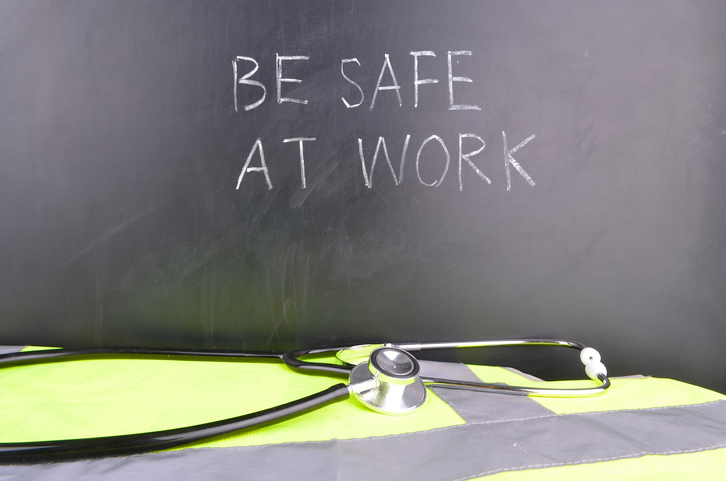
Safety threats impact more than what is physically visible. The emotional toll is crushing the healthcare workforce from the inside out, and until the erosion of psychological safety is addressed, the battle to combat workplace violence will continue.


By reducing administrative burden and redesigning workflows around human needs, it creates space for what matters most: connection between clinicians and patients.

What many organizations haven't yet connected is how security decisions ripple through their entire financial picture, from recruitment to retention to operational efficiency.

Workplace violence prevention is an ongoing and organic process. Federal and state regulations change frequently, so employers may consider regularly reviewing and updating their prevention plans and training programs on a scheduled timeline.

Innovative approaches to home care will only be successful if organizations can ensure the safety of the professionals who enter patient homes. To do that, they’ll need to embrace new technologies that support in-home caregivers in real-time, and implement new protocols that ensure they are provided with the security and comfort they deserve.

Employers, faced with a plethora of options for return-to-work programs, will still have to consider several factors beyond testing and contact tracing. For instance, how will they communicate for employees to stay home, and will a vaccine be required?


Veradigm examines key clinical trends, comorbidity profiles, and treatment trends across adolescence, reproductive years, and peri-/post-menopause. Download it today!